

Содержание
You need a mobile version of your web app but do not want to spend time and money on native development. You can choose between creating a native or cross-platform web app . An SPA has just one page that only updates the necessary part of the information. An SPA can use the cached data which is especially important if the Internet connection suddenly drops. The user can still use the app and the data will be synchronized with the server when the connection is restored.
That is why they have a very close relationship with the server as it sends lots of requests to it. All these platforms are used largely through mobile devices so it was critical for them to establish a firm mobile presence. Research showed, however, that users were not eager to download different apps they do not regularly use.
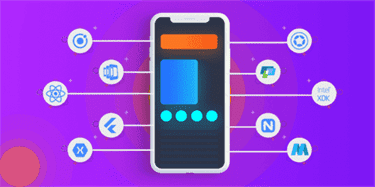
In simple words, a web app operates on a web server and can be easily accessed through a web browser via the internet. Despite a few disadvantages, a website can certainly help you take your business several notches above ordinary. Two of the most common types of websites include – static HTML and dynamic. One can access a website from a range of different devices – desktops, laptops, tablets, and smartphones. You only need a web browser to access a website from any such device. A few of the most common technologies used in developing websites include HTML, CSS, and JavaScript.
Call Server
There are several instances where a user might need to manipulate data. A few of the most common website integrations include chat plugins, newsletter forms, and in some cases, an email client or SMTP. Integrating such apps to a site can be difficult at times due to limited customization options.

In my perspective, generally, a website is defined by its static content and web application is defined by its user interaction that requires programmatic user input or data processing. Progressive Web Apps are changing the mobile development landscape. PWAs are web applications, but they look and feel like mobile apps. They can even send push notifications and utilize other native device features.
With both sharing a lot of characteristics in common, it’s easy to get confused between them. To sum it up, if you need to manage a lot of complex processes simultaneously, web application development will work best for you. On the contrary, if you’re only seeking to establish your online presence and showcase your business goals on the digital forefront, you may consider investing in a web site.
Steps To Developing Web Applications
Therefore, let’s compare the technologies which are needed to build them and their cost, as a consequence. Below, you can find the description of the technologies which we mainly use to create website or web application. Shirt App is a web-based application where anyone can create a custom design of a T-shirt for himself or for a present and order it.
Furthermore, you can use a template to develop a website or a web app, development is quite different from that of a website. Here, you need the knowledge of both front-end and back-end to develop a working web app. For the back-end part, there is a variety of technologies to be used.

Likewise, the need for web application development requirements is just endless. You want to test your project on mobile users before developing native apps. For one of our clients, we created an app for taking photos, videos, and gifs of jewelry. We built an app for instant editing of the shots on the smartphone.
End Business Goals To Consider
However, phone space is limited, and apps require a download, while responsive websites do not. Research demonstrates that internet-enabled mobile web applications have three times as much user engagement as native mobile apps. Native mobile apps are installed directly onto the mobile device or can be acquired through an online or The App Store. For example, if your website is fully responsive and adapts perfectly to mobile devices, you may not need to dive into the world of web app development.
- And although there are conflicting opinions among some developers, I will try and highlight some of the key differences which helped me understand how websites and web apps differ.
- Moving on to the website, the compilation is not necessary and in case you want to make changes to the site, adding few lines in HTML code is all it requires.
- A web application can be accessed from anywhere without the need to install it on a hard drive.
- At Essential Designs, we often get mistaken for a web design company, which is an entirely different bag of worms than what we do .
Consuming information is the most important task the visitor of a website does. LIA InfraServices goes the extra mile, in more ways than one, to support your IT needs. What sets us apart from other IT support providers is our genuine ‘out of hours’ IT support, provided by a person rather than a machine so that we start fixing your problem the moment it happens.
Website Vs Web Application Project
A concept like web apps should be alluring in itself because of its cross-platform capabilities. For example, you’ll notice that using Twitter or Facebook from a web browser is a more captivating experience than clicking onto the website of your local pizzeria. That’s because the former are web apps and the latter is a website. Though the integration of a CRM system can be done for websites also resulting in more personalized content, however, it is rarely implemented feature than the core functionality. Understanding the potential of both the categories, the blog will be stating everything about the difference between website and web application along with examples of both. There are over 1.7 billion websites available, however, the number fluctuates as and when new websites are added or closed every day.
A search engine is a special kind of website that helps users find web pages from other websites. A website is a collection of linked web pages that share a unique domain name. Each web page of a given website provides explicit links—most of the time in the form of clickable portion of text—that allow the user to move from one page of the website to another. Search engine A web service that helps you find other web pages, such as Google, Bing, Yahoo, or DuckDuckGo. Whether you want to develop a website or a web app, you need a reliable development partner like Imaginovation who can understand your business needs and provide the best possible solutions.
These sites are mainly built by a company for its employees. As a developer, building websites is a relatively simple process once you know the tools and languages required. You just need the basics which you can get started with on freeCodeCamp. And although there are conflicting opinions among some developers, I will try and highlight some of the key differences which helped me understand how websites and web apps differ. The web application uses a combination of server-side scripts and client-side scripts to present information.
Over the years, we’ve noticed that when it comes to establishing a strong online presence, many business owners get confused about whether to build a website or a web application, or both. But building a web application unleashes a whole new stream of possibilities for businesses. If you are an established business group in the market and growing, you can also start digital marketing with website design. If you need to attract customers and communicate with them online, then a website may be enough.
Difference Between Website And Web Application Web App
If someone needs to design a house or apartment, they can post the specifications on the platform and launch a competition. Architects and designers from all over the world can register and take part in the contest. The project that satisfies the client’s needs wins a monetary prize. The clients benefit from crowdsourcing heaps of original ideas for an affordable price instead of hiring an expensive designer. Complex websites also require back-end programming built with server-side languages like PHP, Java, or Ruby.
That’s why most SEO professional agencies advise you to go with SEM to get faster benefits with the web application market. Many are under the impression that anything entered in the address bar of the browser will direct them to the desired website. According to the end user, both the terms seem similar because the definitions are controversial and overlapping. You need an app both for Android and iOS but lack time and budget. High load speed matters for online stores where each second of delay means thousands of dollars in lost revenue. If a page takes 3 seconds or more to load, you can lose 40% or more of your traffic and potential buyers.
In this article, we explain both concepts thoroughly to clear the confusion around the website vs web application subject. Let’s get started by defining what is a website and what is a web application. Trending sort is based off of the default sorting method — by highest score — but it boosts votes that have happened recently, helping to surface more up-to-date answers. I think it is more like a website is a subset of a web application. Find centralized, trusted content and collaborate around the technologies you use most.
Web Applications: Main Features
That’s why we thought of creating a complete guide for you, in which we point out the key differences between these two. It’s really easy to set them apart once you know some tricks. A web application is a software or program which is accessible using any web browser.
Easily customizable – you can easily add more designs and features based on your preferences and user needs. They are cross-platform applications, meaning they can be run on any OS, whether it’s macOS, Windows, or Linux. In order to attract more users, be sure your sites loads quickly. A website is a web application structure group of globally accessible, interlinked web pages which have a single domain name. The web application is built explicitly for a certain operating system, so it is difficult to discover from the app store. You can either make use of the computer or your mobile device to access the required data.
You can write to me in the chat the answer, and I will tell you if you’re right or wrong. Mode Effect described pretty well the key differences between a website and a web application in this four minutes video. Let’s go further on in depth in the web application vs website dilemma and see which are the key differences between these two.
Website Vs Web Application: Understanding The Differences
We can point out hundreds of web applications around the digital world. Moreover, we would’ve been working on a couple of web application services in our daily life. But what is the difference between a mobile app and a web app? If you’d like to skip ahead to a certain section, simply use the table of contents. Adjust accordingly for the time frame in which you want your web app development to be completed.
Should My Company Outsource Web Development?
Businesses operate in an environment saturated with information. Thanks to technological advancements, consumers have an unlimited amount of data at their fingertips. Modern websites are valuable to companies because they create social proof. Most people will search a company online before buying a product or service from them. If you want users to get to know your business and the products or services you offer, a website is probably the best choice for you. On the other hand, if you want to provide a service to users, you will want to develop a web application.
But if you need a multi-featured interface that needs to load the information quickly, it is better to develop an SPA. Some of the best-known single-page applications are Gmail, Facebook, Trello, and Netflix. The traditional approach is sufficient for creating read-only systems that do not need a complicated interface. They are CRMs, ERPs, and other business automation solutions.
Next is the Back End Development that involves dealing with the website’s main database and server-side programming to control display the output to the users. Single-page applications are web apps or websites that are dynamically updated as the user interacts by rewriting the current page rather than loading entire new pages from a server. To sum up, both websites and web apps may require authentication, but this measure is more frequent in web apps given their degree of user interactivity, security, and complexity. The main elements of a web application are HTML, CSS, and JavaScript. Additionally, a web-based application uses programming languages such as PHP, Ruby, or Python, frameworks such as Ruby on Rails, Django, Scriptcase, and databases.